

by James Tate
College football’s transfer portal has reshaped rosters at every level, and even high school programs like Roy High are feeling the ripple effects. The accelerated pace of transfers and the pressure to adapt quickly have created a new landscape where loyalty and leadership are more crucial than ever. This shifting dynamic has made the steadfast commitment of players like Drayden Esplin, Ryker Cordero, and Carsten Engberg all the more remarkable.
When the Roy Royals walked off the field at Rice‑Eccles Stadium on November 21, 2024, they did so as state finalists, a 12–2 powerhouse built on depth, chemistry, and senior leadership. The future seemed secure. Yet within months, the roster that had electrified the city of Roy was almost unrecognizable.
Graduation claimed most of the starters. The transfer portal, now a reality even in high school sports, pulled away several more. By the time the dust settled, only three players remained to earn First Team All‑Region honors in Region 5: Esplin, Cordero, and Engberg. Each had been instrumental in the Royals’ 2024 run.
They could have left, but stayed, becoming the heartbeat of a young, inexperienced team determined to prove it was ready for the challenge.
The Royals weren’t without reinforcements. Seniors Cason Howard and Mason Boyer, along with junior Rock Speredon, joined the trio on the First Team All‑Region list this past season. Senior kicker Bo Williams added his own distinction as Region 5 Special Teams MVP.
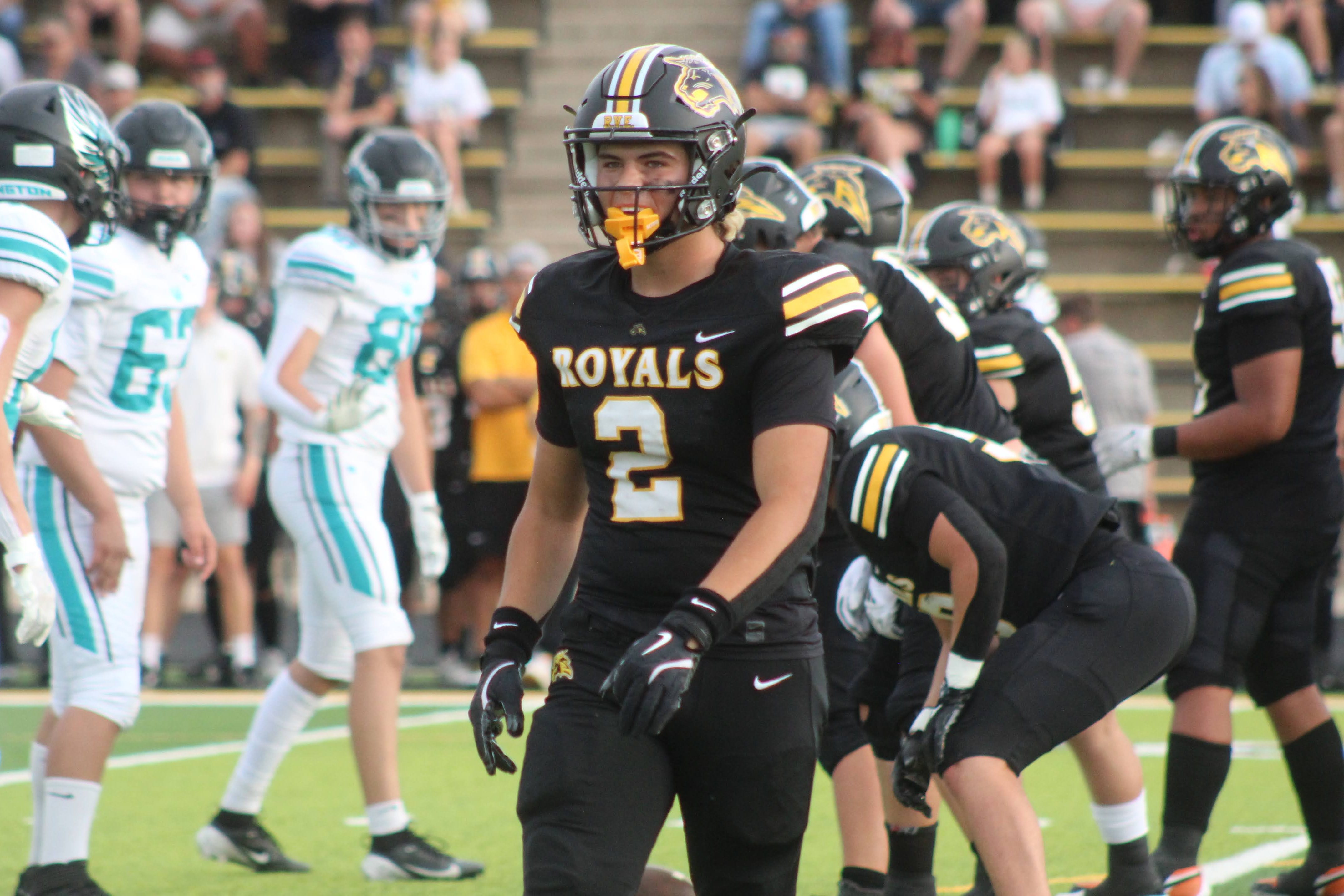
Drayden Esplin
From contenders to underdogs
The 2025 Royals were never supposed to replicate the magic of the previous season. A 3–7 record reflected the growing pains of a roster filled with first‑time varsity players, new starters at nearly every position, and a coaching staff forced to reinvent the playbook. But the record doesn’t tell the whole story.
Esplin, Cordero, and Engberg, once role players on a veteran‑heavy roster, became the anchors of a program trying to rediscover its identity. Their performance didn’t just steady the team; it earned them recognition as First Team All‑Region standouts, proof that even in a rebuilding year, elite talent and leadership can rise above the record.
Esplin admitted the transition wasn’t easy:
“The record going from 12–2 to 3–7 was a significant shift, and I had to learn how to adapt to a different feeling,” Esplin said.
Leadership born from loyalty
For Esplin, staying wasn’t about strategy; it was about community.
“The biggest thing that kept me at Roy when everyone started transferring was just staying for the community,” Esplin said. “Roy has the best, proudest community there is, and I can’t miss out on that.”
He became the steady voice in the locker room, the player who pulled younger teammates aside after mistakes, the one who reminded them that the scoreboard didn’t define their growth. His 38 receptions led the team and helped secure his place on the Region 5 First Team All‑Region list.
He also embraced versatility:
“Changing positions is hard,” Esplin said. “I played a lot of other positions this year, from RB, slot, and outside receiver, it’s a lot, but wherever the team needed me, I was there.”
Cordero’s example and Engberg’s strength complemented Esplin’s voice, forming a leadership trio that kept the team from fracturing during a season that could have easily spiraled out of control.
Pressure and leadership as veterans
Being veteran players from a state finalist team came with pressure. Opponents keyed on them. Coaches leaned on them. Younger players looked to them for answers they didn’t always have. Drayden Esplin described what it felt like to become the focal point of the offense suddenly:
“Leading the team in receptions was kinda weird to be honest, mainly because our team last year was stacked,” Esplin said. “I didn’t get many varsity receptions or playing time, and I feel like I adapted well to being the primary target. Being the main guy on an offense is a great feeling, but it can be hard sometimes when everyone is counting on you.”
They weren’t just captains, they were culture‑keepers. They taught the new roster how to prepare for games, handle adversity, and represent Roy High with pride. They became translators between the past and the future, bridging the gap between what the program had been and what it hoped to become again.
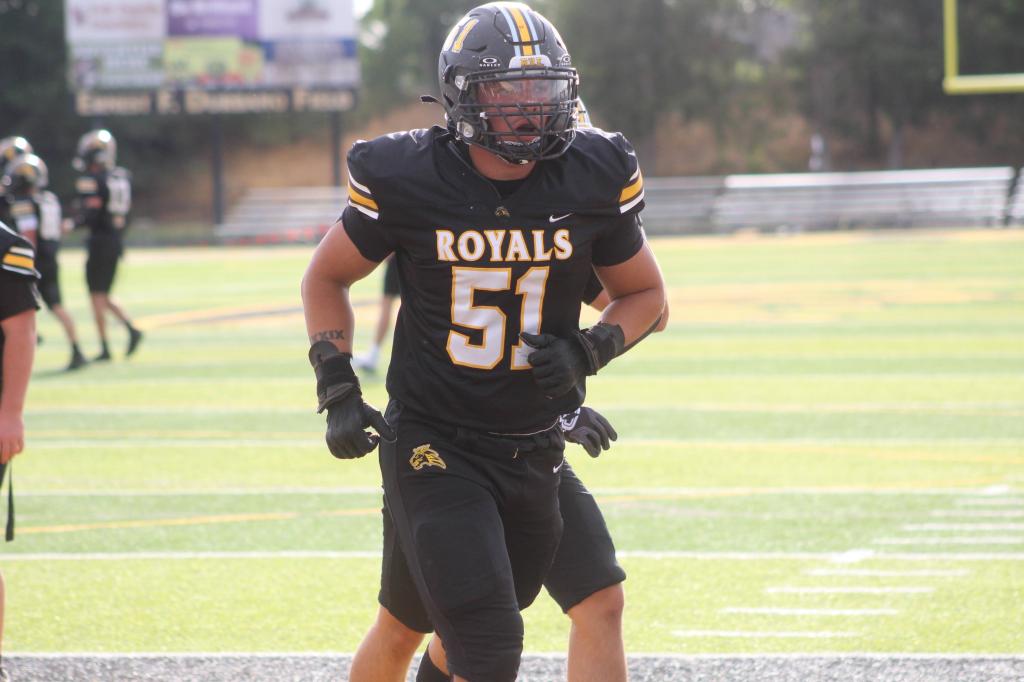
Carsten Engberg
Engberg’s reflection and team-first mentality
Engberg reflected on the season with gratitude for the support from his family, friends, coaches, and faith, emphasizing how football has profoundly shaped his life. He cherished the Friday night lights and the community spirit surrounding the sport:
“First and foremost, I want to thank God, my family, friends, and coaches, for allowing me to play this incredible game,” Engberg said. “Football has shaped my life in so many ways, and the high school experience is something I’ll carry with me forever. Friday night lights, and even those Thursday night battles, were the highlight of my week. The rivalries, the energy, and the community around this sport are things I’ll always miss and always cherish.”
He acknowledged the season’s challenges, including transfers, injuries, and stepping into demanding two-way roles, but praised the team’s heart and resilience:
“This season didn’t turn out the way we originally hoped, but it pushed us, challenged us, and showed us what we were capable of,” Engberg said. “With players transferring and a lot of us stepping into two-way roles, the workload and conditioning were challenging, but everyone showed heart. Injuries were part of our journey, too. Losing Paris Tia and Ty Wolfey early in the season was hard, both as teammates and as friends. I dealt with my own setbacks, a torn hamstring in the summer that limited me for the first few games, and then a concussion in Week 4 that took me out even longer. But coming back in Week 7 and having one of my best games reminded me of the strength and perseverance this sport brings out in you.”
Defensive leadership and position switch
Engberg’s junior year saw him lead the Royals with four sacks, showcasing his defensive prowess. However, his senior year brought a significant position change as he stepped into the offensive line role, demonstrating his team-first mentality:
“My junior year taught me a lot, and learning a new position challenged me in ways that made me better,” Engberg said. “This year, stepping into the O-line role was another big adjustment. At first, I wasn’t thrilled about switching sides of the trenches while also playing defense, but I embraced what the team needed. In the end, doing what was best for the team is something I’m proud of.”
Despite the season’s difficulties, Engberg found gratitude in the experience:
“Even though the season didn’t unfold the way we imagined, I’m grateful for every moment,” Engberg said. “Playing alongside my brothers one last time made it all worth it, and the memories we created will stay with me long after the lights go out.”
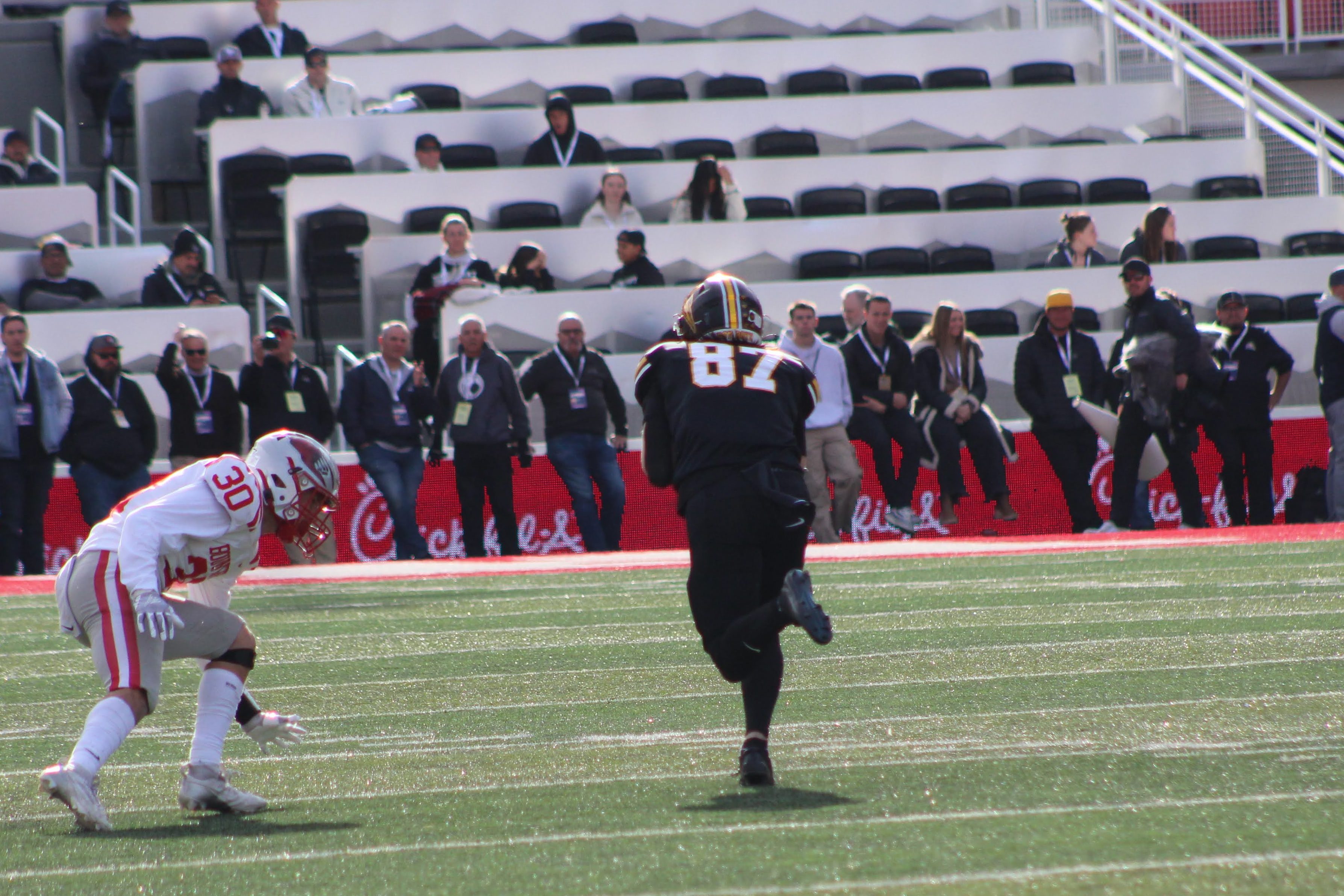
Ryker Cordero
Cordero also made a significant impact for the Royals. Earning First Team All-Region honors for his play at middle linebacker, Cordero led the team with 55 total tackles. His transition from mainly playing on the edge as a junior to the middle linebacker position as a senior highlighted his adaptability and leadership.
One of Cordero’s most memorable moments came in the 2024 championship game, where he made a highlight play with a kickoff return for a touchdown. On an onside kickoff attempt by the Bountiful Redhawks, Cordero made an excellent decision to catch the ball and return it untouched to the end zone, electrifying the crowd and his teammates.
These accomplishments, alongside Engberg’s position switch and leadership, underscore the dedication and versatility that defined the Royals’ senior leaders during a challenging season.
A season that meant more than wins
The 3–7 record will fade. What won’t fade is what Esplin, Cordero, and Engberg built. Esplin reflected on the accountability he and other seniors demanded:
“Coming into the season, other senior leaders and I had high expectations for the younger players on our team, and we were really good at keeping everyone accountable,” Esplin said. “Leading the team in receiving and all‑purpose yards is a great feeling too, and my coach also trusted me to get the job done.”
They helped a young team learn how to compete. They kept Roy football from collapsing during a transition year. They showed that loyalty still matters in an era defined by transfers and quick exits.
And they left behind something more valuable than a trophy: a foundation. A foundation recognized by their peers and coaches across Region 5, who named them to the First Team All‑Region for their excellence and impact.
The legacy they leave
When future Roy teams make playoff runs, and they will, coaches and players will look back on the 2025 season as the year the program didn’t break. And they’ll remember the seniors who held it together. Esplin summed up his legacy and future goals:
“I feel like I left a good foundation, leaving Roy, and I think the younger players are set,” Esplin said. “I am planning to pursue my football career after Roy High. I have a couple of offers, but I’m hoping a school will give me a chance soon.”
Esplin, Cordero, and Engberg may not have had the record they dreamed of in their final season, but their impact will echo far longer than any win‑loss column. They were the elite and loyal trio who stood firm when the program needed them most, and the first to build what comes next.
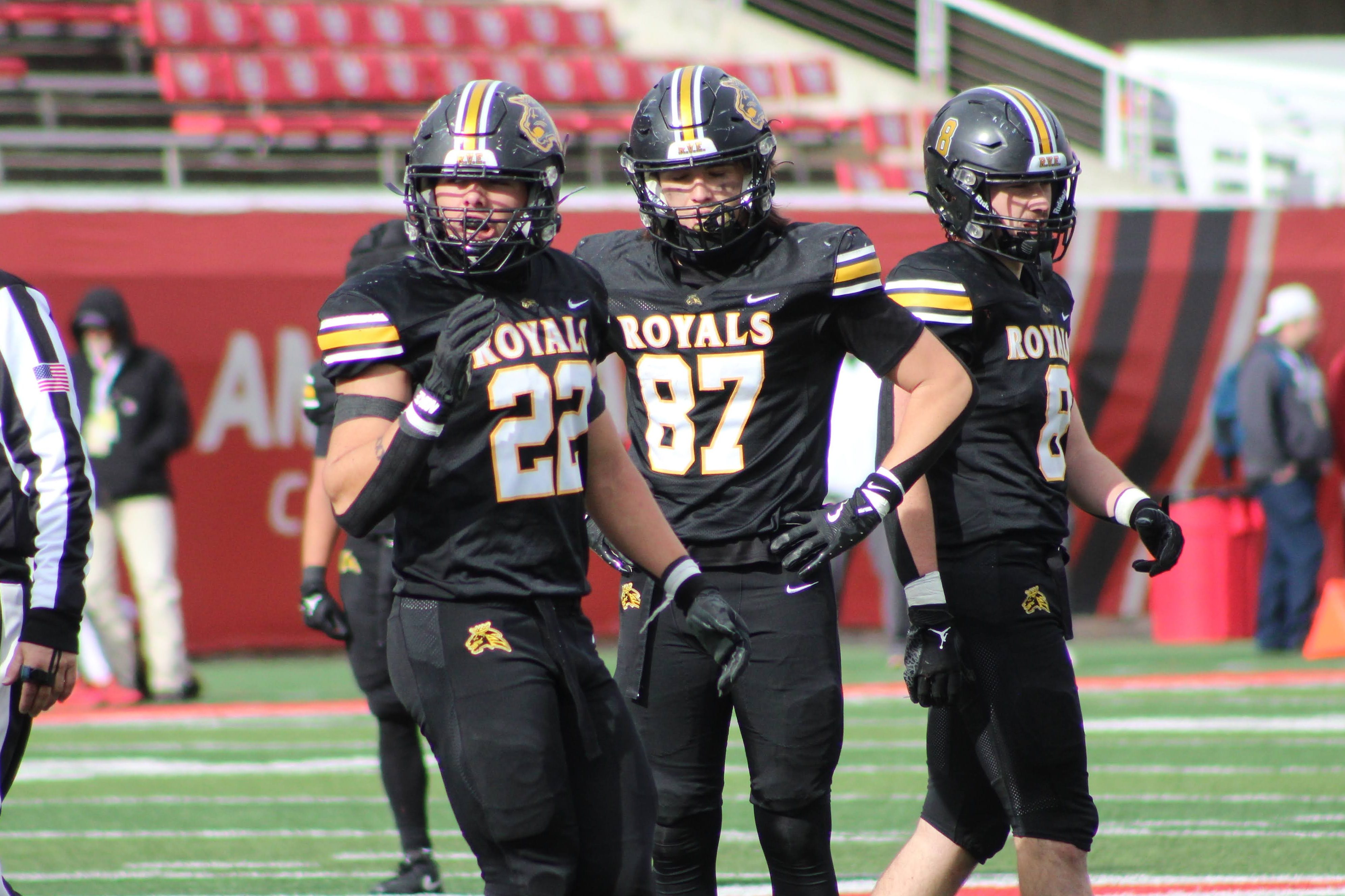
Engberg (l) Cordero (r)
photos courtesy of James Tate


 The Hive Sports
Leave a Reply